Are VPNs Legal? A Guide to VPN Laws Around the World
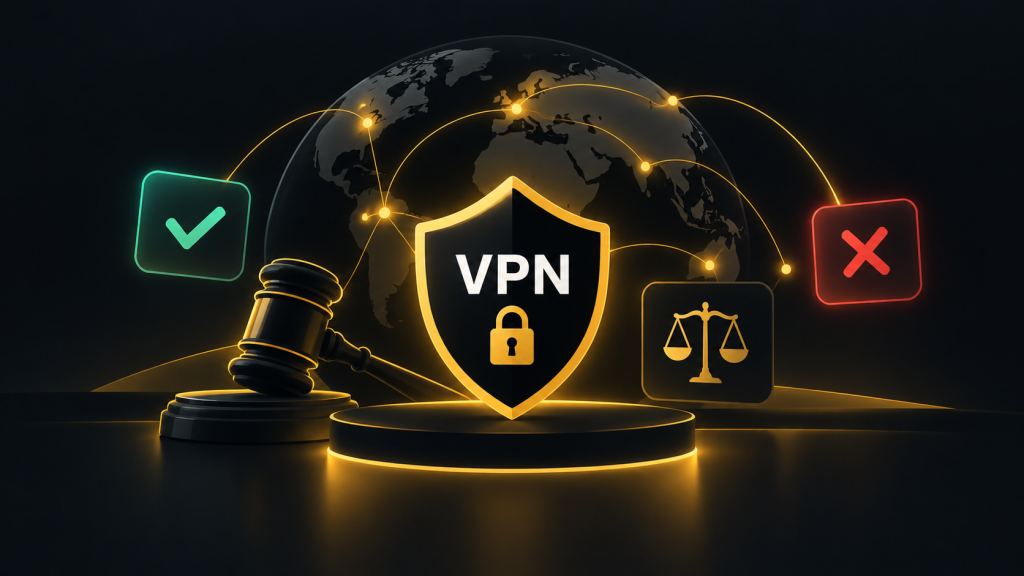
You are traveling abroad and want to use a VPN on hotel Wi-Fi, but discover that some countries restrict these services. Are VPNs legal everywhere, and could using one cause problems? The answer depends on local regulations, your location and how you use the service.
Are VPNs Legal in Most Countries?
VPNs are legal in many countries, including the United States, Canada, the United Kingdom and most European nations.
Businesses use VPNs for secure remote access, while individuals use them to encrypt internet traffic and improve privacy on public networks.
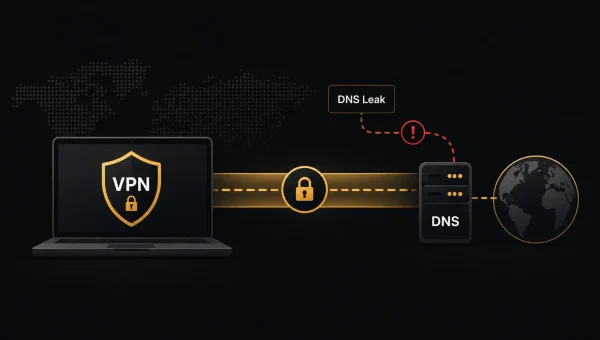
A VPN creates an encrypted connection between your device and a VPN server, making your traffic harder for local network operators to inspect.
However, VPNs do not make illegal activities lawful. Copyright infringement, fraud and unauthorized access remain subject to applicable laws.
VPN Laws Around the World
VPN regulations differ significantly between countries. Some governments regulate providers, while others restrict unauthorized services or particular activities.
United States, Canada and Europe
Personal VPN use is generally legal across these regions.
You can use services such as NordVPN, ExpressVPN or Proton VPN for privacy, remote work and secure browsing.
However, accessing copyrighted material without permission remains unlawful where applicable. Streaming platforms may also restrict VPN connections under their terms.
China
China strictly regulates VPN services and cross-border internet connections.
Unauthorized services may be blocked, while providers face licensing requirements.
Enforcement varies, so travelers should verify current regulations rather than assuming that an accessible VPN is legally permitted.
Russia
Russia restricts VPN services that enable access to prohibited online content.
Authorities have blocked numerous providers and introduced additional restrictions on information about circumventing internet controls.
Legal consequences depend on current regulations and the activities involved.
United Arab Emirates
VPN technology is not universally prohibited in the UAE.
However, using technical methods to conceal an IP address for certain unlawful purposes can create legal liability.
Ordinary business VPN use should be distinguished from prohibited activities.
Iran
Iran maintains substantial restrictions on internet access and unauthorized circumvention tools.
VPN availability and enforcement can change, making current local guidance particularly important.
Is Using a VPN for Streaming Legal?
Using a VPN for streaming is generally not a criminal offense in countries where VPN services are lawful.
However, Netflix, Disney+ and other platforms enforce regional licensing agreements.
Accessing another country’s content library through a VPN may violate platform terms.
Streaming services can block VPN connections or limit available content.
A paid VPN subscription does not guarantee access to every streaming catalog.
Is Torrenting With a VPN Legal?
Torrenting itself is a legitimate file-sharing technology.
However, downloading or distributing copyrighted material without authorization may violate copyright laws.
A VPN can conceal your public IP address from other participants in a torrent swarm, but it does not eliminate legal responsibility.
Before using P2P networks, confirm that your VPN supports torrenting and understand the applicable rules.
What to Check Before Using a VPN Abroad
Before traveling, review the destination country’s current VPN regulations.
Determine whether restrictions apply to providers, individual users or specific online activities.
Check whether your chosen service operates locally. Some networks block VPN protocols or provider websites.
Obfuscation features may help connections function on restrictive networks, but they do not change the legal status of VPN use.
For business travel, follow your employer’s security requirements and local regulations.
Are VPNs Worth Using in 2026?
VPNs remain legal and useful in many countries, especially for public Wi-Fi privacy and authorized remote access.
However, restrictions in China, Russia and Iran require additional caution.
Choose a reputable provider, understand its limitations and verify local rules before connecting.
FAQ
Are VPNs legal in the United States?
Yes. Personal VPN use is generally legal, but unlawful activities remain prohibited.
Can you get fined for using a VPN?
Potentially, depending on local regulations and how the service is used.
Is using a VPN for Netflix illegal?
Usually not where VPNs are legal, although accessing regional content may violate platform terms.
Are free VPNs legal?
Free and paid VPN services generally follow the same local legal restrictions.
Can a VPN make you completely anonymous?
No. Websites, online accounts and other identifying information can still reveal your identity.