What Does a No-Logs VPN Policy Actually Mean?
You are comparing VPN services and notice that nearly every provider promises a no-logs policy. But does that mean your browsing activity is completely invisible? Understanding what a no-logs VPN policy actually means helps you evaluate privacy claims, identify potential limitations and choose a service that handles your data responsibly.
What Is a No-Logs VPN Policy?
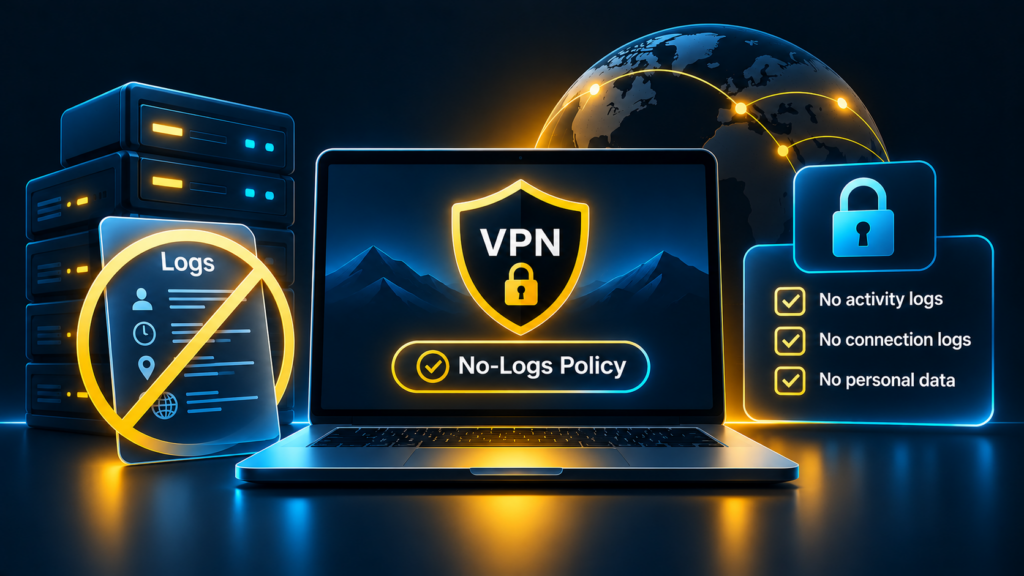
A no-logs VPN policy describes a provider’s commitment not to collect or retain certain information about your internet activity.
When you connect to a VPN, your traffic passes through the provider’s servers. This makes the company’s data handling practices particularly important.
A genuine no-logs policy generally aims to prevent the storage of browsing history, connection timestamps linked to users and other information that could reveal online activities.
However, the exact meaning varies between providers.
Some VPN companies retain limited operational information needed to manage accounts, process payments or maintain their networks.
What Data Can a VPN Collect?
Not every type of VPN data reveals your browsing behavior.
Understanding the difference between activity logs and connection logs is essential.
Activity logs may include:
-
Websites you visit
-
Online searches and browsing history
-
Files downloaded through the VPN
-
Traffic destinations
Connection logs can include IP addresses, connection times, session duration or bandwidth usage.
Some providers collect limited technical information without storing identifiable browsing activity.
The important question is whether retained information can be connected to your identity or online behavior.
A VPN advertising zero logs should explain exactly what information it processes and why.
How Can You Verify a No-Logs VPN?
A privacy statement alone does not prove that a VPN follows its advertised practices.
Look for additional evidence before choosing a provider.
Independent Security Audits
Independent audits can examine VPN infrastructure, privacy controls and logging practices.
Providers such as ExpressVPN, NordVPN and Surfshark have published information about external assessments of their services.
However, an audit only covers the systems and period examined. It does not guarantee that future practices will remain unchanged.
Transparent Privacy Policies
A trustworthy provider should explain which information it collects, how long it retains that information and whether third parties receive any data.
Avoid relying entirely on short marketing statements such as “100% anonymous” or “complete privacy.”
Company Jurisdiction
A VPN company’s legal jurisdiction determines which laws and disclosure requirements may apply.
However, jurisdiction alone does not establish whether a provider maintains activity logs.
Actual data retention practices matter more than a favorable location.
Does a No-Logs VPN Guarantee Anonymity?
No. Even a VPN that retains no browsing logs cannot make your internet activity completely anonymous.
Websites can still recognize you through account logins, browser cookies and device identifiers.
Your VPN provider may also need account information to manage subscriptions and customer support.
Encryption protects traffic between your device and the VPN server, but it does not prevent every form of online tracking.
For stronger privacy, combine a trustworthy VPN with sensible browser settings and careful account management.
Free vs Paid VPN Logging Policies
Free VPN services sometimes rely on advertising or data collection to support their operations.
However, not every free provider follows the same business model.
Some reputable services offer limited free plans with clearly documented privacy policies.
Paid VPNs generally rely on subscriptions, but payment alone does not prove that a provider avoids logging.
Review the privacy policy and available independent assessments regardless of price.
How to Choose a Privacy-Focused VPN
Before subscribing, examine several practical factors:
-
Clear explanations of collected data
-
Independent privacy or infrastructure audits
-
Transparent company ownership
-
Secure encryption protocols
-
Kill switch and DNS leak protection
-
Reasonable data retention practices
A kill switch helps prevent traffic from leaving the VPN tunnel after an unexpected disconnection.
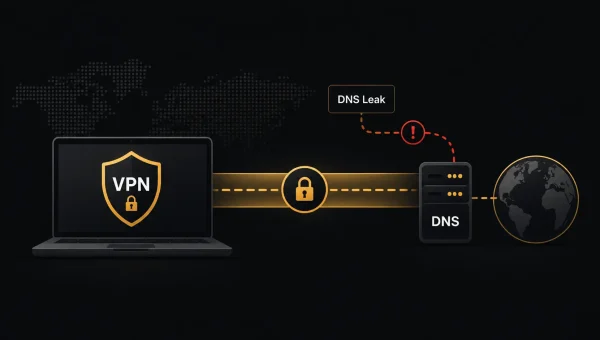
DNS leak protection helps prevent domain lookup requests from bypassing the VPN.
These features complement a no-logs policy but cannot replace trustworthy data handling.
Is a No-Logs VPN Worth Using?
A no-logs policy is an important consideration when choosing a privacy-focused VPN.
However, the wording of the policy matters less than the provider’s actual practices and supporting evidence.
Understanding what a no-logs VPN policy actually means allows you to compare services more carefully.
Prioritize transparent data collection rules, credible audits and practical security features rather than absolute privacy promises.
FAQ
Does a no-logs VPN store any information?
Some providers retain account details or limited operational data while avoiding identifiable browsing activity.
Can a VPN provider see your browsing history?
A VPN provider may technically observe certain traffic information, depending on the connection and encryption. Its logging practices determine what information is retained.
Are no-logs VPNs completely anonymous?
No. Websites, accounts and tracking technologies can still identify users despite VPN protection.
How do you know if a VPN has a genuine no-logs policy?
Review its privacy documentation, independent audits and transparency about data retention.
Do free VPNs keep activity logs?
Policies vary. Some free VPNs collect usage information, while others offer privacy-focused services with limited features.